

Table of Contents
Why Lead Generation Is Challenging for Manufacturing Companies
How B2B Buyers in Manufacturing Actually Buy
Best Manufacturing Lead Generation Strategies
Lead Generation Channels for Manufacturers (What to Use & Why)
Common Mistakes in Manufacturing Lead Generation
What to Look for in Lead Generation Companies for Manufacturing
How Cleverly Helps Manufacturing Companies Generate Qualified Leads
Conclusion
Frequently Asked Questions
Modified On :
October 22, 2026
Key Takeaways
- Manufacturing lead generation requires targeting specific accounts and roles, not mass outreach to thousands of unqualified contacts.
- Industrial buyers research extensively and move cautiously. Trust, proof, and technical credibility matter more than price.
- Multi-channel outreach (cold email, LinkedIn, calling) outperforms single-channel strategies by meeting buyers where they are.
- Engage engineering, procurement, and operations simultaneously to speed up consensus and reduce deal risk.
- Long sales cycles demand consistent follow-up over months. Persistence and relevance win over aggressive volume.
- Measure success by qualified conversations and pipeline generated, not downloads, clicks, or vanity metrics.
Most manufacturing companies are sitting on a goldmine they don't even realize exists.
You've got the capability, the quality, and the track record. But here's the problem: the decision-makers who need your CNC machining, injection molding, or industrial components don't know you exist yet.
Manufacturing lead generation has shifted dramatically. Your ideal buyers aren't waiting for your booth at the next trade show.
They're researching suppliers on LinkedIn during their lunch break, checking emails between production meetings, and comparing options online before they ever reach out.
We've helped manufacturers across every specialty generate over $312 million in pipeline by meeting buyers exactly where they are.
This guide breaks down the lead generation for manufacturing companies strategies that actually work in 2026. Proven tactics we've tested with everyone from small machine shops to major industrial suppliers.
Let's get into it.
Why Lead Generation Is Challenging for Manufacturing Companies
Lead generation for manufacturing companies comes with unique hurdles that most B2B businesses don't face.
First, you're working with niche markets. If you manufacture custom hydraulic components or precision aerospace parts, your total addressable market might be a few hundred companies, not millions.
Every lead counts, and there's no room for spray-and-pray tactics.
Then there's the buying committee problem. You're rarely selling to one person. Your typical deal involves:
- Engineering teams evaluating technical specs
- Procurement negotiating pricing and terms
- Operations concerned with delivery timelines
- C-suite approving major supplier changes
Getting all these stakeholders aligned takes time and strategic outreach to multiple contacts within the same company.
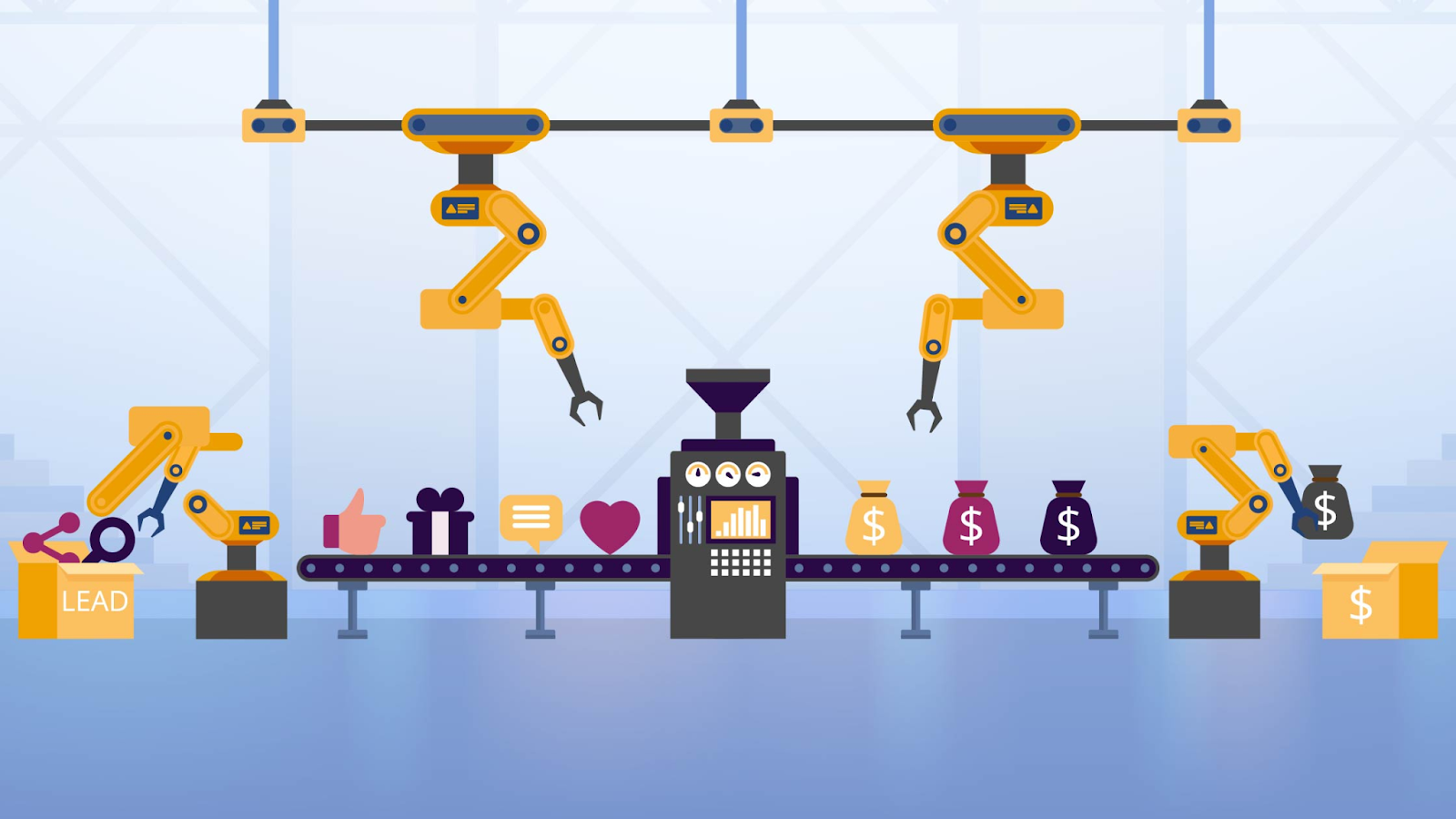
Your products are also inherently complex.
A SaaS tool can explain its value in a 2-minute demo. Your custom tooling solution? That requires technical documentation, samples, sometimes site visits. Buyers need education before they're ready to talk, which extends your sales cycle significantly.
Finally, lead generation for manufacturers faces an intent problem.
Unlike software buyers actively searching "best CRM for small business," industrial buyers aren't Googling "precision machining supplier" until they absolutely need one.
Most of your potential customers aren't actively looking right now, which means inbound alone won't cut it.
The solution? You need to go where your buyers are and start conversations before they're in buying mode. That's exactly what we're covering next.
Also Check: Real Estate Lead Generation Strategies and Tips
🔥 Book Manufacturing Buyers at Scale
Cleverly runs LinkedIn, cold email, and cold calling to reach plant heads, procurement, and CXOs—booking meeting-ready leads you only pay for.
How B2B Buyers in Manufacturing Actually Buy
Understanding how industrial buyers make decisions is critical for generating B2B leads for manufacturing that actually convert.
Manufacturing purchases are high-stakes decisions. We're talking five or six-figure contracts, long-term partnerships, and production dependencies. One bad supplier choice can shut down an entire production line or cost millions in rework. That's why buyers move carefully.
The research phase is everything. Before reaching out to any supplier, your prospects are:
- Checking LinkedIn profiles and company pages
- Reading case studies and technical specifications
- Asking their network for recommendations
- Evaluating certifications and compliance standards
They're not impulse buying. They're building confidence that you can deliver.
Trust trumps everything else. A manufacturing buyer would rather work with a known entity charging 15% more than risk it with an unknown supplier offering a better price.
This is why generating B2B leads for manufacturing requires proof points: customer logos, industry certifications, project examples, and testimonials from similar companies.
Here's what most manufacturers get wrong. They focus on volume, blasting their message to thousands of contacts hoping something sticks. But in manufacturing, timing and relevance matter more than reach.
Your ideal buyer might not need you today, but they will in three months when their current supplier can't scale or when they're launching a new product line.
The companies winning contracts are the ones showing up with relevant solutions at exactly the right time, not the ones sending generic pitches to everyone.
This is why your outreach needs to be targeted, persistent, and value-driven from the first touchpoint.
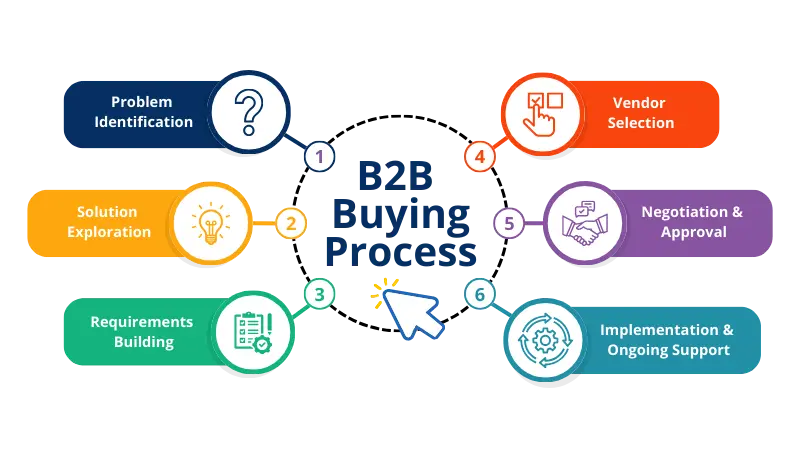
Related: B2B Buying Process - How Buyers Make Decisions Today
Best Manufacturing Lead Generation Strategies
Let's get tactical. These are the manufacturing lead generation strategies that actually work when you're selling to engineers, procurement teams, and operations managers.
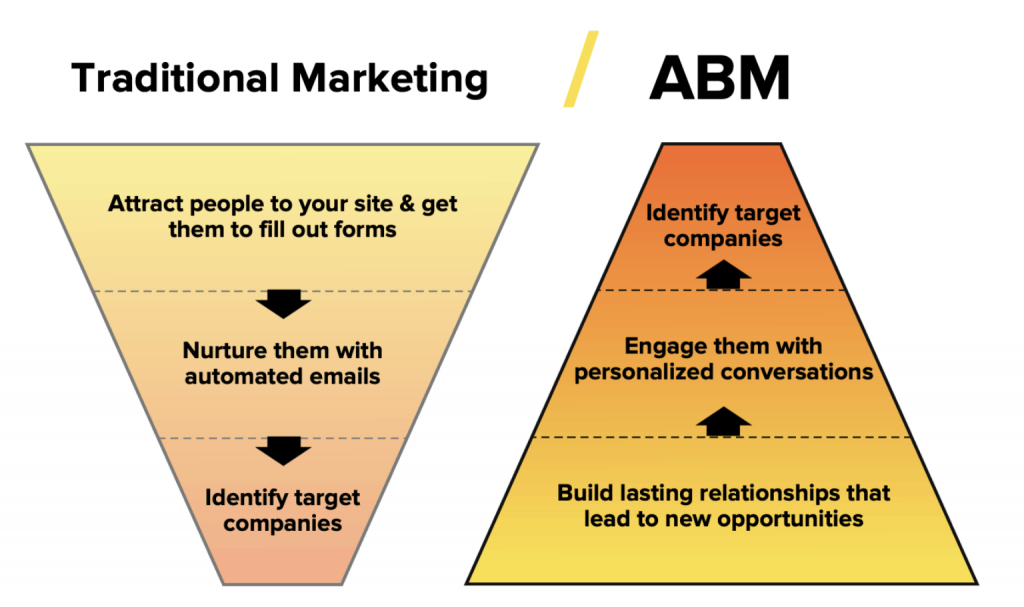
1. Account-Based Targeting for High-Value Manufacturers
Forget casting a wide net. In manufacturing, precision beats volume every time.
We help our clients build targeted lists of 100-500 ideal accounts: specific OEMs, distributors, or enterprise buyers who match their capabilities. You're prioritizing based on production volume, geographic proximity, and technical fit, not just company size.
This works exceptionally well for custom manufacturing and high-ticket contracts where each deal is worth $50K+.
Why waste resources on companies that will never need your injection molding capacity when you could focus entirely on the automotive Tier 1 suppliers who do?
2. Cold Email Outreach to Engineering & Procurement Teams
Here's the reality: most of your buyers aren't searching Google for suppliers. They're heads-down running production, and they only look for alternatives when there's a problem or a new project.
Cold email puts your capabilities directly in front of decision-makers. But your messaging can't be generic sales copy. You need to speak their language:
- Lead times and production capacity
- Material certifications and quality standards
- Technical capabilities and tolerances
- Pricing structure and MOQs
We've generated over $312 million in pipeline using targeted cold email for manufacturers. It scales beautifully once you nail your ICP and messaging.
Our cold email services operates on a pay-per-meeting-ready-lead model, so you only pay for qualified prospects who actually want to talk.
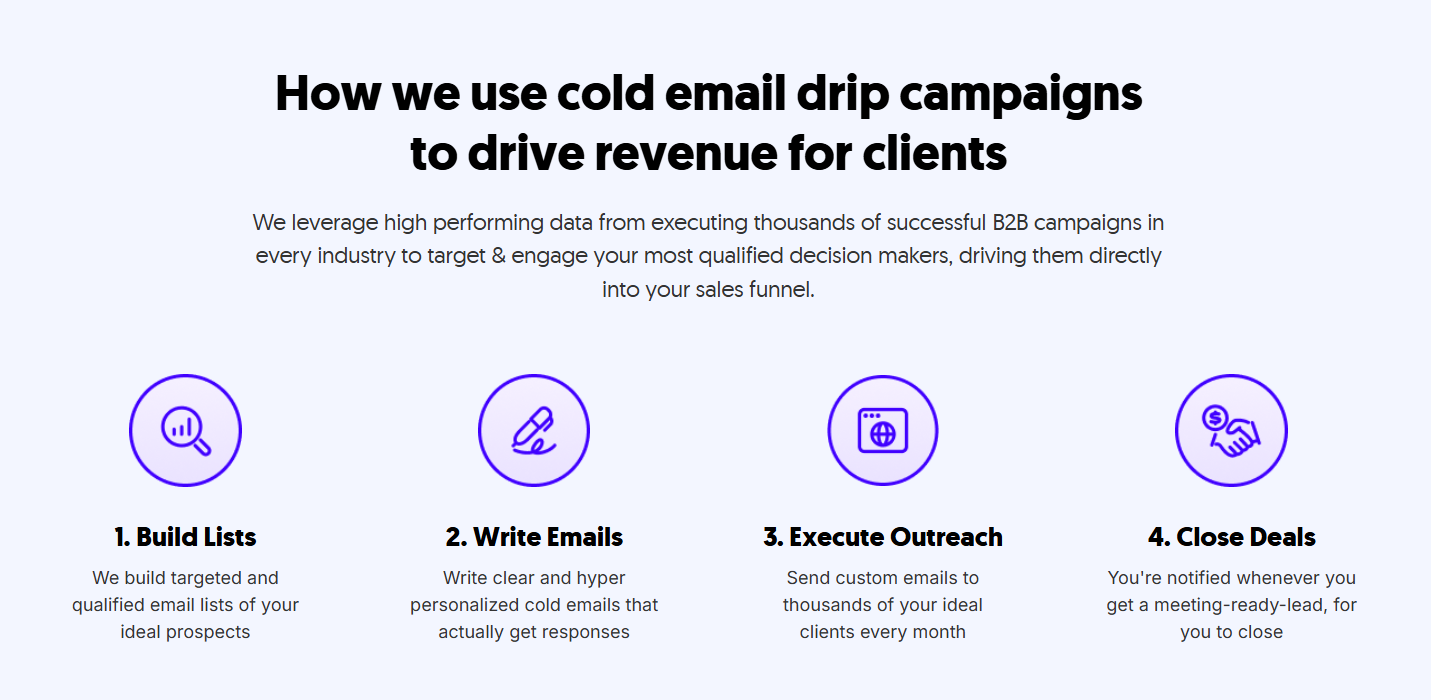
Check This Out: Cold Email Blueprint to Generate Leads (100% Tested)
3. LinkedIn Outreach to Technical Decision-Makers
LinkedIn is where plant managers, operations heads, and senior engineers actually spend time. It's not a hard-selling platform; it's a relationship-building one.
Your outreach should focus on:
- Sharing relevant industry insights
- Commenting on their manufacturing challenges
- Offering solutions without the immediate pitch
- Building familiarity over multiple touchpoints
Lead generation for manufacturers on LinkedIn works because it mirrors how industrial buyers prefer to engage: slowly, cautiously, and with people they trust.
We've helped clients book hundreds of meetings with technical decision-makers through strategic LinkedIn outreach starting at $397/month.
Here’s More: How To Generate 30+ Leads On Linkedin Without Spamming People
4. Cold Calling for RFQs and Appointment Setting
Cold calling isn't dead in manufacturing. It's actually one of the fastest ways to uncover active buying intent.
When done right, calling works exceptionally well for:
- Regional industrial services
- Custom manufacturing with quick turnarounds
- Following up on email or LinkedIn touches
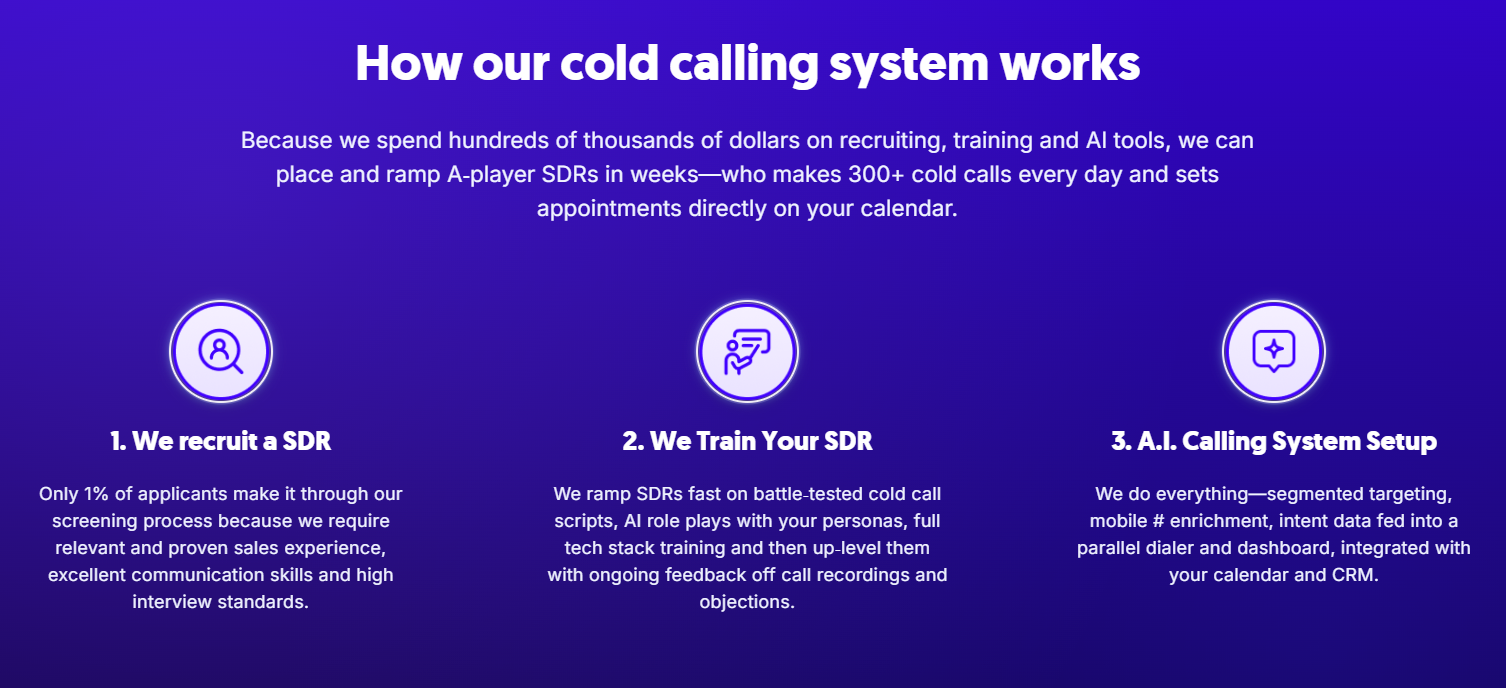
Our cold calling system has made over 1 million calls and set 53,000+ appointments for manufacturers.
We place trained, no-accent appointment setters who understand technical terminology, write breakthrough scripts, and guarantee 10-30 qualified calls per month. It's half the cost of hiring in-house and your SDR goes live in just 2 weeks.
Compare: LinkedIn vs Cold Email vs Cold Calling: Which Channel Works Best
5. Industry-Specific Messaging (Not Generic Sales Copy)
This is where most manufacturers lose deals before they even start.
Your buyers don't care about "innovative solutions" or "cutting-edge technology." They care about:
- Tolerances you can hold
- Materials you're certified to work with
- Production capacity and lead times
- Quality certifications (ISO, AS9100, ITAR)
Drop the marketing speak. Talk like an engineer talking to another engineer. It's a massive differentiator in crowded niches like CNC machining or metal fabrication.
You Can Also Use: ChatGPT Prompts for Personalized Cold Emails
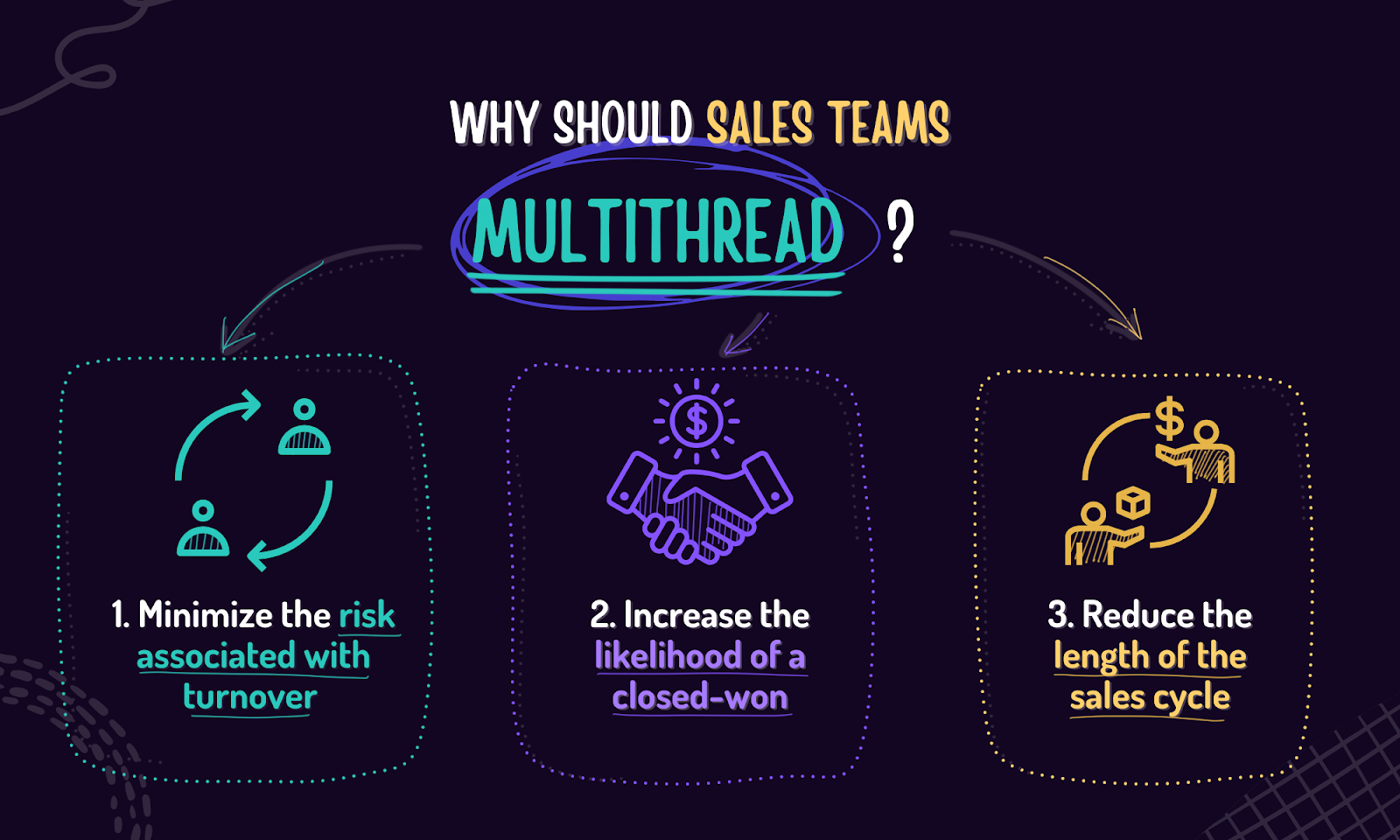
6. Multi-Threading Within Target Accounts
One contact at a company isn't enough. You need to engage multiple stakeholders simultaneously.
In a typical manufacturing deal, you're coordinating with:
- Engineering (technical specs and compatibility)
- Procurement (pricing and contract terms)
- Operations (delivery schedules and capacity)
- Executive leadership (strategic supplier decisions)
Generating B2B leads for manufacturing means building relationships across the entire buying committee. Multithreading in sales in the key.
This reduces deal risk and speeds up consensus. When engineering loves you but procurement hasn't heard from you, deals stall.
Learn More: How to Measure Sales Success
7. Follow-Up Systems for Long Sales Cycles
Manufacturing buyers rarely convert after the first email or call. Your sales cycle might be 3-6 months or longer.
The companies winning contracts are the ones with structured follow-up systems:
- Touchpoints every 2-3 weeks
- Value-driven content in each message
- Patience to nurture relationships over months
Consistency wins over aggressive volume. Stay on their radar without being pushy, and you'll be top-of-mind when their current supplier drops the ball or when that new project finally gets approved.
8. Leveraging Proof: Case Studies, Certifications & Capabilities
Remember, manufacturing buyers are risk-averse. They need evidence you can deliver before they'll even consider switching suppliers.
Share proof early and often:
- Case studies from similar industries
- Quality certifications and compliance standards
- Production capabilities and equipment lists
- Customer testimonials and reference accounts
This isn't bragging, it's risk mitigation. You're giving buyers the confidence they need to move forward. The more proof you provide upfront, the faster deals close.
Like This:

🚀 $312M Pipeline Generated
Trusted by 10,000+ companies, Cleverly’s multi-channel system delivers predictable meetings across outbound—fueling real manufacturing revenue.
Lead Generation Channels for Manufacturers (What to Use & Why)
Not all channels work the same for lead generation for manufacturers. Here's how to choose the right approach based on your sales motion and buyer behavior.
Cold Email for Scalable Outreach
Cold email is your volume play when you have a clear ICP and need to reach procurement teams, operations leaders, and engineering managers at scale.
It works best when:
- You're targeting 500+ accounts with similar profiles.
- Your product has broad applications across industries.
- Buyers need education before they're ready to engage.
- You want predictable pipeline without heavy manual effort.
The key is personalization at scale. Generic blast emails get ignored. Targeted messages that reference specific pain points, certifications, or production challenges get responses.
At Cleverly, we've perfected this for manufacturers with our pay-per-meeting-ready-lead model. You only pay for qualified prospects who actually want to talk.
Explore More: How To Actually Get B2B Clients With Cold Email
LinkedIn Outreach for Relationship-Driven Targeting
LinkedIn excels when you're selling complex, high-value solutions that require trust and multiple conversations before a deal happens.
Use LinkedIn when:
- Your target list is under 300 accounts.
- You're selling custom or engineered-to-order solutions.
- The sales cycle is 6+ months.
- Relationship-building matters more than speed.
Plant managers and senior engineers are active on LinkedIn. They're checking industry content, following companies, and open to conversations, just not aggressive sales pitches.
Our LinkedIn campaigns starting at $397/month help manufacturers build these relationships systematically while staying top-of-mind throughout long buying cycles.
Dive Deeper: Why Done-for-You LinkedIn Lead Generation Delivers Faster ROI
Cold Calling for Direct RFQ and Appointment Setting
Cold calling is your speed-to-conversation channel. It's the fastest way to qualify intent, uncover active RFQs, and book meetings with decision-makers.
Cold calling performs best for:
- Regional or local manufacturing services
- Time-sensitive opportunities (equipment breakdowns, urgent orders)
- Following up on previous email or LinkedIn touches
- Industries where buyers expect and respond to calls
The mistake most manufacturers make? Calling with no system. Our cold calling program has made 1M+ calls and set 53K appointments because we treat it like manufacturing: process-driven, quality-controlled, and measurable.
We place trained appointment setters, write scripts that work, and guarantee 10-30 qualified calls monthly or we replace your SDR.
Might Help: Proven Cold Calling Tips to Book More Meetings
When to Use Each Channel
Here's the simple decision framework for lead generation for manufacturers:
- High volume, broad market? Start with cold email
- Complex solution, relationship-focused? Lead with LinkedIn
- Need speed and direct conversations? Add cold calling
- Best results? Use all three in a coordinated sequence
Most successful manufacturers aren't choosing one channel. They're running multi-channel campaigns: LinkedIn connection → cold email → follow-up call.
Each touchpoint builds familiarity and moves prospects closer to a conversation.
The channel matters less than the system behind it. Consistent outreach, relevant messaging, and persistent follow-up will always outperform random activity on any platform.
Inbound Lead Generation for Manufacturers: SEO, RFQ-Ready Website & AI Search
Inbound manufacturing lead generation means making sure buyers who are already looking can find you, trust you, and send an RFQ. It captures demand that exists today. It doesn’t create demand for buyers who aren’t searching yet.
That’s why we treat inbound as the support act, not the headliner. But it’s worth building properly.
Almost every buyer you reach through outbound will check your website before replying. In a 2026 RH Blake and ISA study of manufacturing buyers, vendor websites were the first research source for 37% of them, ahead of every other channel. A weak site quietly kills good outreach.
Here’s how to fix it.
Target the Product and Application Keywords Buyers Search
Industrial buyers search the way engineers talk. They type the process, the material, and the use case. They rarely type your brand name.
Build pages around terms like:
- Process + material: “CNC machining titanium,” “stainless steel sheet metal fabrication”
- Application or industry: “injection molding for medical devices,” “aerospace machined components”
- Certification: “AS9100 certified machine shop,” “ISO 13485 contract manufacturer”
- Buying intent: “custom hydraulic manifold supplier,” “low-volume metal stamping quote”
Give each core capability its own page. Do the same for each industry you serve. Put materials, tolerances, equipment, and lead times on the page. A thin page with three paragraphs and a stock photo won’t rank.
Don’t chase big search volumes. When your market is a few hundred buyers, a keyword with 20 searches a month can still be worth six figures.
Build an RFQ-Ready Website
An RFQ-ready site lets an engineer send a real request in two minutes. Check these:
- A short RFQ form. Ask for part description, material, quantity, timeline, and a file upload (STEP, PDF, DXF). Skip the 15-field form.
- Spec-sheet downloads. Offer material data, tolerance charts, equipment lists, and certifications. Gate only the high-intent items, like CAD templates. Leave the rest open so search engines and AI tools can read them.
- One clear CTA per page. “Request a quote” beats “Learn more.” Put it above the fold and again at the bottom.
- Proof next to the CTA. Certifications, customer logos, and a response-time promise like “Quotes within 48 hours.”
- Fast mobile pages. Plant managers check suppliers from the floor.
Publish Technical Content Engineers Trust
Engineers don’t read fluff. They read specs. Three formats work best:
- Guides. Design-for-manufacturability checklists, material selection guides, tolerance guides. Write them for the engineer about to draw a part.
- Comparisons. “CNC machining vs. injection molding at 5,000 units.” “Aluminum vs. steel for this bracket.” These match late-stage searches and are easy for AI tools to cite.
- Case studies. Name the part, material, tolerance, volume, problem, and result. Real numbers matter. One strong case study gets reused in sales follow-ups for years.
Want the full framework? See our guide to B2B inbound lead generation.
Get Visible in AI Search Tools
Buyers now ask ChatGPT, Gemini, and Perplexity who makes a part. Gartner found that 45% of B2B buyers used AI during a recent purchase. In the RH Blake and ISA study, 48% of manufacturing buyers had used AI to research suppliers in the past 90 days. That’s up from 25% in 2024.
To show up:
- Answer first. Open key pages with a plain two or three sentence answer: what you make, for whom, and with which materials, tolerances, and certifications.
- Keep facts consistent. Use the same capabilities, certifications, and locations on your site, LinkedIn page, and directory listings. Mixed signals hurt.
- Add schema markup. Organization, product, and FAQ schema help machines read your pages.
- Get listed where AI looks. Industry directories, trade association pages, review sites, and your LinkedIn company page.
- Don’t block crawlers. Check your robots.txt.
- Test it monthly. Ask each tool, “Who are the top [process] suppliers for [industry]?” Track whether you appear.
How Inbound Supports Outbound
Inbound and outbound aren’t rivals. They work as one system.
- Your site is touch two. Every cold email gets a Google check. A clear capabilities page and fresh case studies turn a maybe into a reply.
- Proof for follow-ups. A good case study is the best asset to send in touch three or four.
- Warm signals. Visitor identification shows which target accounts are on your site. Reach out while they’re browsing. Here’s how: How to Use RB2B to Convert Website Visitors.
- Better messaging. Search terms and RFQ details show what buyers care about. Feed that into your outbound copy.
The timing matters too. 6sense’s 2025 Buyer Experience Report found the winning vendor was already on the buyer’s Day One shortlist 95% of the time. Outbound gets you on that list. Inbound proof helps you stay on it.
Inbound builds the shelf. Outbound puts you in front of the buyer who hasn’t gone shopping yet.
Where to Find Manufacturing Sales Leads: Directories, RFQ Platforms & Databases
The best sources of manufacturing sales leads are industrial directories, RFQ platforms and bid boards, B2B databases, LinkedIn Sales Navigator, and trade show attendee lists. Each gives you a different kind of lead. Some are active buyers. Some are just names on a list.
Know the difference before you spend time on them.
Industrial Directories and Supplier Marketplaces
Directories like Thomasnet, Kompass, GlobalSpec, and IQS Directory put you in front of buyers who are actively sourcing. Intent is high. So is competition, because you’re listed next to your rivals.
To get value from them:
- Complete your profile. Add certifications, materials, equipment, and capabilities.
- Respond fast. Speed often wins the first conversation.
- Track what pays. Keep the listings that send real RFQs and drop the rest.
- Register on OEM supplier portals. Do this for every account on your target list.
RFQ Platforms and Bid Boards
Marketplaces like MFG.com and Xometry’s supplier network post real projects with specs and deadlines. Government boards like SAM.gov and state procurement portals do the same.
The upside is clear intent. The downside is price pressure and crowded bids.
Our rules:
- Bid only where you fit. You need the certification and the capacity.
- Track win rate by platform. Quoting hours cost money.
- Drop low performers. If a platform keeps sending price shoppers, stop.
B2B Databases and LinkedIn Sales Navigator
Directories and RFQ boards show you buyers who are already shopping. Databases and LinkedIn let you reach everyone else.
- B2B databases like ZoomInfo and Apollo give you company and contact data at scale. Coverage for plant-level roles can have gaps, so spot-check before you export. See our ZoomInfo review and guide to building a qualified prospect list.
- LinkedIn Sales Navigator is the easiest way to build role-based lists. Filter by function (operations, engineering, purchasing), seniority, industry, company headcount, and recent job changes. Then work the list across LinkedIn, email, and calls. Our LinkedIn lead generation guide shows the full process.
Thinking about a bought list? Read where to buy B2B email lists first.
Trade Show Attendee Lists and Follow-Up
Trade shows still produce manufacturing leads. The problem is what happens next. Too often the badge scans sit in a spreadsheet until the contact goes cold.
Fix it with a simple system:
- Before the show: Pull exhibitor, speaker, and attendee lists where available. Reach out two to three weeks ahead and book booth meetings.
- At the show: Note the project, part, and timeline on every scan.
- Within 48 hours: Sort leads into hot, warm, and cold. Hot leads get a personal email or call with a calendar link.
- After the show: Move warm and cold contacts into a LinkedIn and email sequence. Use the same follow-up cadence we covered in strategy 7.
Verify Lead Quality Before Outreach
A long list isn’t an asset. A clean one is. Before anyone sends a message, check:
- ICP fit: Does this company need your process, material, or volume?
- Right role: Engineering, procurement, or operations. Not a generic info@ inbox.
- Project signal: A product launch, plant expansion, related hiring, or a posted RFQ.
- Still operating: Plants close, merge, and relocate. Confirm the company and the contact are current.
- Verified contact data: Verify emails before you send. Bounces hurt deliverability.
- Not already in your CRM: Don’t double-touch accounts or current customers.
Sloppy data leads straight to the irrelevant outreach buyers avoid. Then write down what “qualified” means for your team. Our guides on lead quality and what counts as a qualified sales meeting will help.
Common Mistakes in Manufacturing Lead Generation
We've seen hundreds of manufacturers struggle with lead generation, and the problems are almost always the same. Here's what's killing your pipeline.
❌ Relying Only on Trade Shows and Referrals
Trade shows and referrals are great. They're also unpredictable and expensive.
If your entire lead generation strategy is "wait for the next industry event" or "hope someone refers us," you're letting your competitors control your growth. Trade shows cost $10K-50K per event and generate leads in bursts, not consistently. Referrals are fantastic when they happen, but you can't forecast revenue around them.
Successful manufacturers treat trade shows and referrals as bonus channels, not primary ones. They build systematic outreach programs that generate qualified conversations every single week, regardless of event schedules or who knows who.
❌ Generic Messaging That Ignores Technical Context
"We provide high-quality manufacturing solutions with fast turnaround times."
Your buyers see dozens of messages like this every week. It says nothing.
Manufacturing lead generation requires technical specificity:
- What materials do you work with?
- What tolerances can you hold?
- What certifications do you carry?
- What production volumes do you handle?
Engineers and procurement teams don't respond to marketing fluff. They respond to relevant capabilities that solve their specific problems.
If you're reaching out to aerospace manufacturers, mention your AS9100 certification and experience with titanium machining. Generic messaging gets deleted.
❌ Targeting Companies Instead of Buying Roles
Here's a scenario we see constantly: a manufacturer spends months "working" an account but only talks to one contact in engineering.
Meanwhile, procurement is evaluating three other suppliers and operations never even knew you existed.
You need to target roles, not just companies:
- Engineering evaluates technical fit
- Procurement negotiates terms and pricing
- Operations cares about lead times and reliability
- Executives approve strategic supplier changes
If you're not multi-threading across these roles, you're leaving deals on the table. One enthusiastic engineer can't push a deal through if procurement and ops aren't on board.
❌ Measuring Leads Instead of Qualified Conversations
"We got 200 leads from that campaign!"
Great. How many turned into actual sales conversations?
Too many manufacturers celebrate vanity metrics: form fills, downloaded datasheets, booth visitors. None of that matters if they're not talking to qualified buyers with real projects and budgets.
Focus on conversations with decision-makers who have:
- A specific use case or project
- Budget or purchasing authority
- A timeline for making a decision
We measure success by meeting-ready leads and booked appointments, not downloads or inquiries. That's why our pricing model is based on qualified conversations, not traffic or clicks. A smaller number of real opportunities will always beat a huge list of tire-kickers.
The fix for all these mistakes? Build a systematic, multi-channel outreach program focused on the right people with the right message. That's exactly what we help manufacturers do.
Manufacturing Lead Generation Metrics: What to Track Across Long Sales Cycles
The right B2B manufacturing lead generation metrics are qualified meetings, RFQs received, cost per qualified meeting, quote-to-win rate, sales cycle length by deal size, and pipeline value by target account. Skip clicks and downloads. In a long cycle, you need numbers that show progress months before a purchase order.
We called out vanity metrics in the mistakes above. Here’s what to track instead.
How to Read These Metrics When Cycles Are Long
Don’t judge a campaign on closed revenue after 60 days. Read results in three layers:
- Weeks: replies, qualified meetings, and RFQs
- Months: quotes sent, sample or first-article approvals, and pilot orders
- Quarters: quote-to-win rate, revenue, and cycle length
First meetings often land in weeks. Deals take months. Set a 90-day baseline before you set targets.
Split Cycle Length by Deal Size
A $20K repeat order and a $500K program don’t move at the same speed. Group deals into bands, like under $50K, $50K to $250K, and over $250K. You’ll know when to expect revenue from each band. You’ll also spot where deals stall.
A Quick Example
These numbers are illustrative. Say your program costs $6,000 a month and books 10 qualified meetings. That’s $600 per qualified meeting. Four turn into RFQs. You win one $80,000 order.
That single order is more than a full year of program spend ($72,000). Run the math on margin too, not just revenue.
Want the full ROI breakdown? See what deal size makes outbound profitable. To work backward from a revenue target, use our pipeline coverage ratio guide.
Tag every opportunity in your CRM with source, role, and account. Without that, none of these numbers are reliable.
What to Look for in Lead Generation Companies for Manufacturing
Not all lead generation companies for manufacturing cold email linkedin outreach understand how industrial buyers actually operate.
Here's what separates the good from the mediocre.
Industry understanding matters.
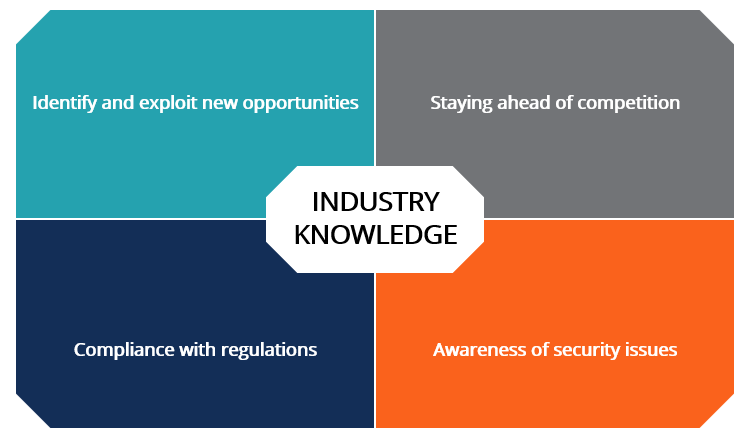
Generic B2B agencies will send the same templated pitches they use for SaaS companies. You need a partner who understands tolerances, certifications, lead times, and technical specs, not someone pushing "innovative solutions."
Multi-channel capability is non-negotiable.
Your buyers are on LinkedIn, checking email, and answering calls. The best results come from coordinated outreach across all three channels, not just one.
They must target the right roles.

Engineering, procurement, and operations all play different roles in the buying process. Your lead gen partner needs to engage each stakeholder with messaging that speaks to their specific concerns.
Focus on pipeline, not vanity metrics.
Downloads, clicks, and form fills don't pay the bills. You need a partner measuring success by qualified meetings and real sales conversations with decision-makers who have budgets and timelines.
If your current approach checks these boxes, keep it. If not, it's time to try something different.
Manufacturing Lead Generation Services: Pricing Models & Costs
Manufacturing lead generation services usually cost $2,000 to $15,000+ per month on a retainer. Pay-for-performance models often run $150 to $800 per lead or meeting. Niche markets and senior buyers usually push costs up.
Don’t compare sticker prices. Compare cost per qualified meeting.
Here’s how we price. Cold email runs pay-per-meeting-ready-lead. LinkedIn starts at $397/month. Cold calling guarantees 10 to 30 qualified calls per month.
Agency vs. In-House SDR Cost
Most companies compare an agency fee to an SDR’s base salary. That’s the wrong comparison.
- In-house SDR: A 2026 sales development benchmark report puts a fully loaded US SDR at $110,000 to $173,000 per year. That includes salary, benefits, tools, and ramp. Add 3 to 6 months before they book meetings consistently. They also need to learn tolerances, certifications, and technical terms.
- Agency or outsourced program: A full program with team, infrastructure, data, and execution typically runs $3,000 to $10,000 per month. That’s $36,000 to $120,000 a year, and it covers multiple channels.
In-house can win over time if you have a big market, a long horizon, and management capacity. For most manufacturers, an agency is faster and lower risk. Our outsourced SDR service is built for exactly this.
Questions to Ask Before Signing
- How do you define a qualified meeting? Get it in writing.
- Do you charge for scheduled or held meetings? Ask about no-show credits.
- Who writes the messaging? Do they understand tolerances, materials, and certifications?
- Who owns the lists, domains, and data if we leave?
- What are the contract length and exit terms?
- Which channels, how many accounts, and how many touches?
- How will you report? Can we see replies and call outcomes?
- Who are your clients like us? What results did they get?
For a deeper review, use our lead generation agency contract checklist.
How Cleverly Helps Manufacturing Companies Generate Qualified Leads
We've generated $312 million in pipeline for manufacturers who were tired of inconsistent lead flow and wasted trade show budgets.
How we're different as a lead generation agency: we don't get paid for clicks or impressions. We get paid when you talk to qualified buyers.
- LinkedIn Lead Generation – We connect you with plant managers, procurement teams, and engineering decision-makers. Relationship-driven campaigns that build trust over time. Starting at $397/month.
- Cold Email Outreach – Pay only for meeting-ready leads. We handle targeting, copywriting, and deliverability. You get qualified prospects who actually respond. No fluff, just conversations.
- Cold Calling That Converts – Our system has made 1M+ calls and set 53K appointments. We place a trained, no-accent appointment setter on your team, write breakthrough scripts, provide the tech stack, and guarantee 10-30 qualified sales calls monthly. Your SDR goes live in 2 weeks at half the cost of hiring in-house.
We've worked with everyone from precision machine shops to industrial equipment suppliers. Companies like Amazon, Google, Uber, PayPal, and Spotify trust us because we deliver what matters: real conversations with real buyers.
No long contracts. No paying for unqualified leads. Just qualified meetings that turn into pipeline.
So, stop waiting for referrals and start generating predictable revenue!
All set? Let's talk.

Conclusion
Manufacturing lead generation isn't about blasting thousands of generic messages and hoping something sticks. It's about precision: the right accounts, the right roles, the right message, at the right time.
Inbound strategies alone won't cut it in industrial B2B. Your buyers aren't actively searching until they have a problem, and by then, they're already talking to your competitors.
Outbound-led approaches put you in front of decision-makers before they're in buying mode, building relationships that turn into contracts when the timing is right.
The difference between manufacturers with inconsistent pipelines and those with predictable revenue? Execution. A systematic, multi-channel outreach program that runs consistently, follows up persistently, and focuses on qualified conversations over vanity metrics.
Stop relying on trade shows and referrals to fill your pipeline. Build a system that generates qualified leads every single month.
Frequently Asked Questions
Free Resource
How to Scale a Profitable Cold Call System
Get the complete guide — download it instantly now.

Free Ebook
Download the Free Guide
Enter your details to get instant access.
You're all set! 🎉
Your ebook is downloading now.
Click below if the download didn't start automatically.


